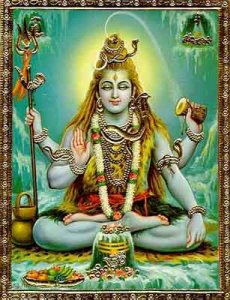
Shiva
Destroyer and renewer, both ascetic and family man.
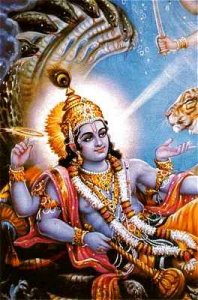
Vishnu
Protector of cosmic order. Avatars: Rama and Krishna.
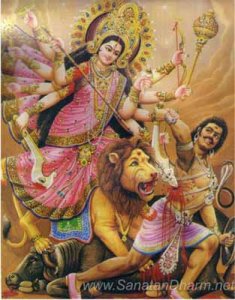
Devi
Includes many forms: Lakshmi, Sarasvati, Durga, Kali.
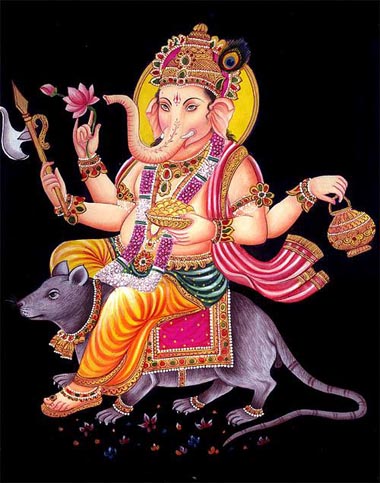
Ganesha
God of wisdom and remover of obstacles.
Hinduism is one of the oldest living religious traditions. Central is the idea of an all-pervading reality (Brahman) that manifests in many forms and deities. Hindus believe in the unity of a transcendent and immanent God, creator of the universe. Most Hindus also believe that God may appear in human form at certain moments in history (avatars). Some divine personalities are seen as aspects of the one indivisible God (Brahman). Important aspects of God form the Hindu Trinity: Brahma (Creator), Vishnu (Preserver), Shiva (Destroyer/Transformer).
Destroyer and renewer, both ascetic and family man.
Protector of cosmic order. Avatars: Rama and Krishna.
Includes many forms: Lakshmi, Sarasvati, Durga, Kali.
God of wisdom and remover of obstacles.
Hindu gods are often depicted with multiple heads or arms, symbolizing their powers. Brahma, first of the Trinity, is creator of the universe. He is depicted with four heads looking in four directions. His wife is Saraswati, goddess of arts and education. Brahman is the supreme spirit; many gods show different aspects of Brahman. The ultimate goal of life is moksha — liberation from samsara (cycle of rebirth).
Puja includes prayers, offerings, rituals and devotion to a chosen deity.
Balinese Hindus believe in one supreme God: Sanghyang Widhi Wasa. This God manifests in three aspects known as Trimurti: Brahma, Vishnu and Shiva. Each has its own symbolic color and sacred animal.
Cremation is central in Hindu funeral rituals. The faster the body returns to the elements, the faster the soul is released. Ashes are often scattered in sacred water such as the Ganges.
Moksha is liberation from the cycle of birth, death and rebirth. The soul (atman) reincarnates until liberation is achieved.