Buddhism in Brief
Buddhism is a philosophical and spiritual tradition that originated in India approximately 2,500 years ago. Central to Buddhism are insight, awareness and the reduction of suffering.
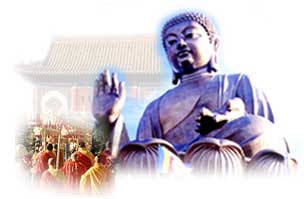
What is Buddhism?
Buddhism traces its origins to Siddhartha Gautama, who later became known as the Buddha. The word Buddha is often translated as "the awakened one".
According to Buddhist tradition, Siddhartha gained insight into the nature of existence and the causes of human suffering. He subsequently taught others how they could develop greater insight and inner freedom themselves.
Throughout history, Buddhism spread from India to countries including Sri Lanka, China, Korea, Japan and Southeast Asia. As a result, different schools and traditions developed.
The Main Ideas
The Four Noble Truths
An important foundation of Buddhism is the understanding that suffering and dissatisfaction can be part of human existence.
Buddhism examines the causes of this suffering and describes a path that can lead to liberation.
The Noble Eightfold Path
The Noble Eightfold Path consists of guidelines for insight, speech, action, livelihood, effort, mindfulness and concentration, among other things.
The aim is to live in a more mindful and balanced way.
Meditation
Meditation plays an important role in many Buddhist traditions.
By developing mindfulness and concentration, practitioners seek to better understand their own thoughts and feelings.
Important Buddhist Concepts
Karma
Karma refers to the consequences that conscious actions can have.
Nirvana
Within Buddhism, Nirvana is associated with liberation from craving, attachment and suffering.
Compassion
Compassion means awareness of and concern for the suffering of other living beings.
Rebirth
Many Buddhist traditions include the idea of a continuing cycle of rebirth.
In Short
Buddhism focuses on developing insight, wisdom and compassion. By living mindfully and examining attachment, one seeks to reduce suffering and ultimately achieve liberation.